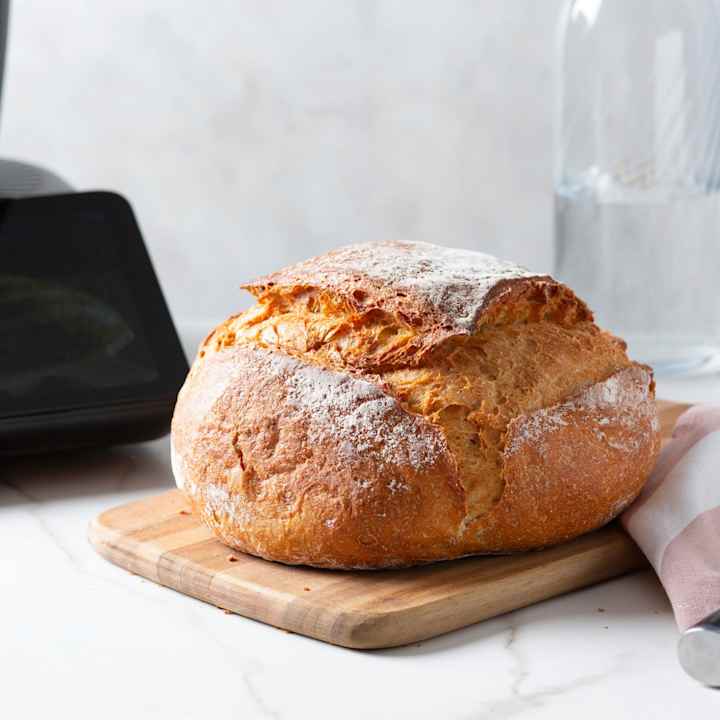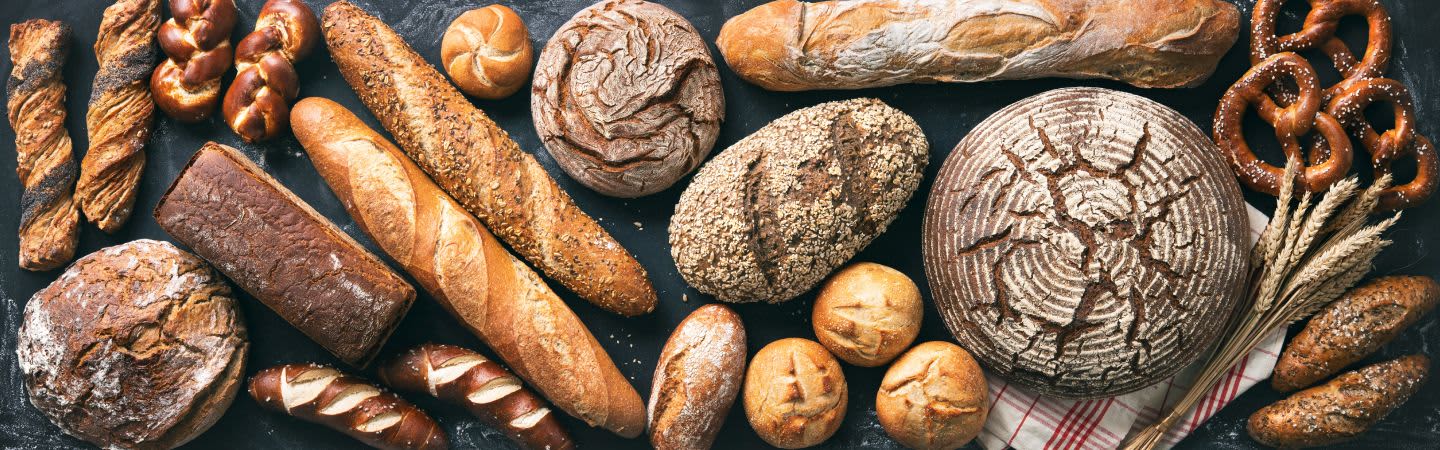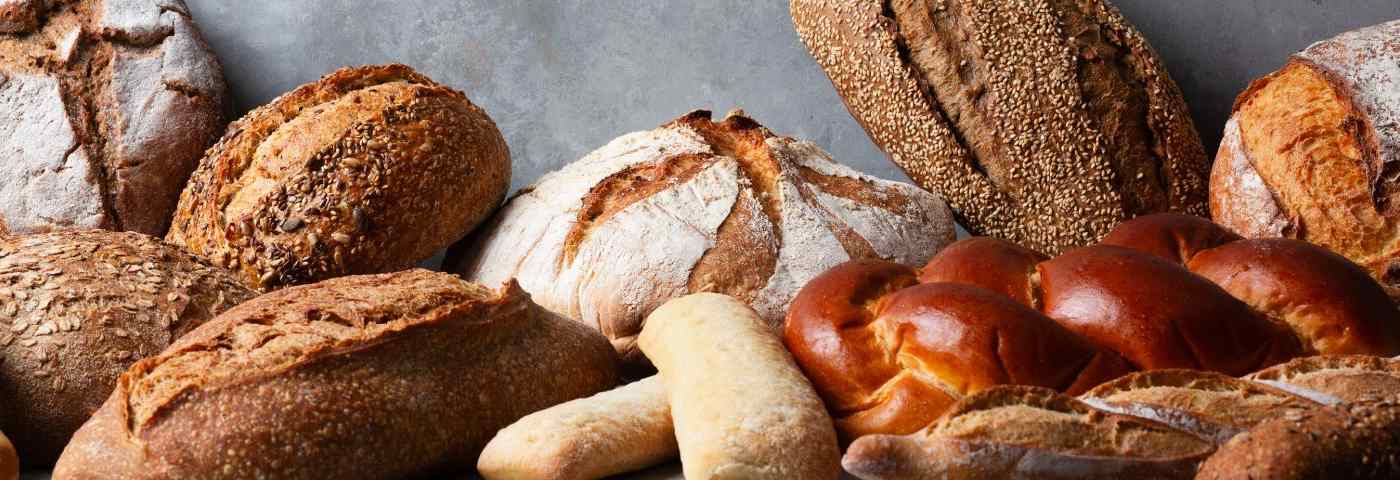
The more you taste, the more you discover that balance is key. Join us on a journey through breads from around the world, from sourdough and yeasted loaves to breads made without either. Discover how easy it is to make them with your Thermomix®.
 Bread can take you around the world, with flavours and traditions that tell a story of where it comes from. From cumin scented loaves to poppy seed breads, every recipe has its own character. Whether made with yeast, sourdough or no raising agent, good bread takes care, time and a little patience. So bake, share and enjoy a taste of somewhere new.
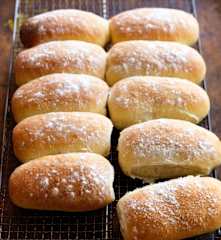
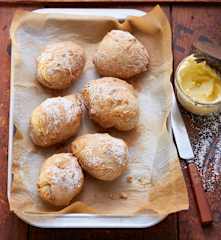
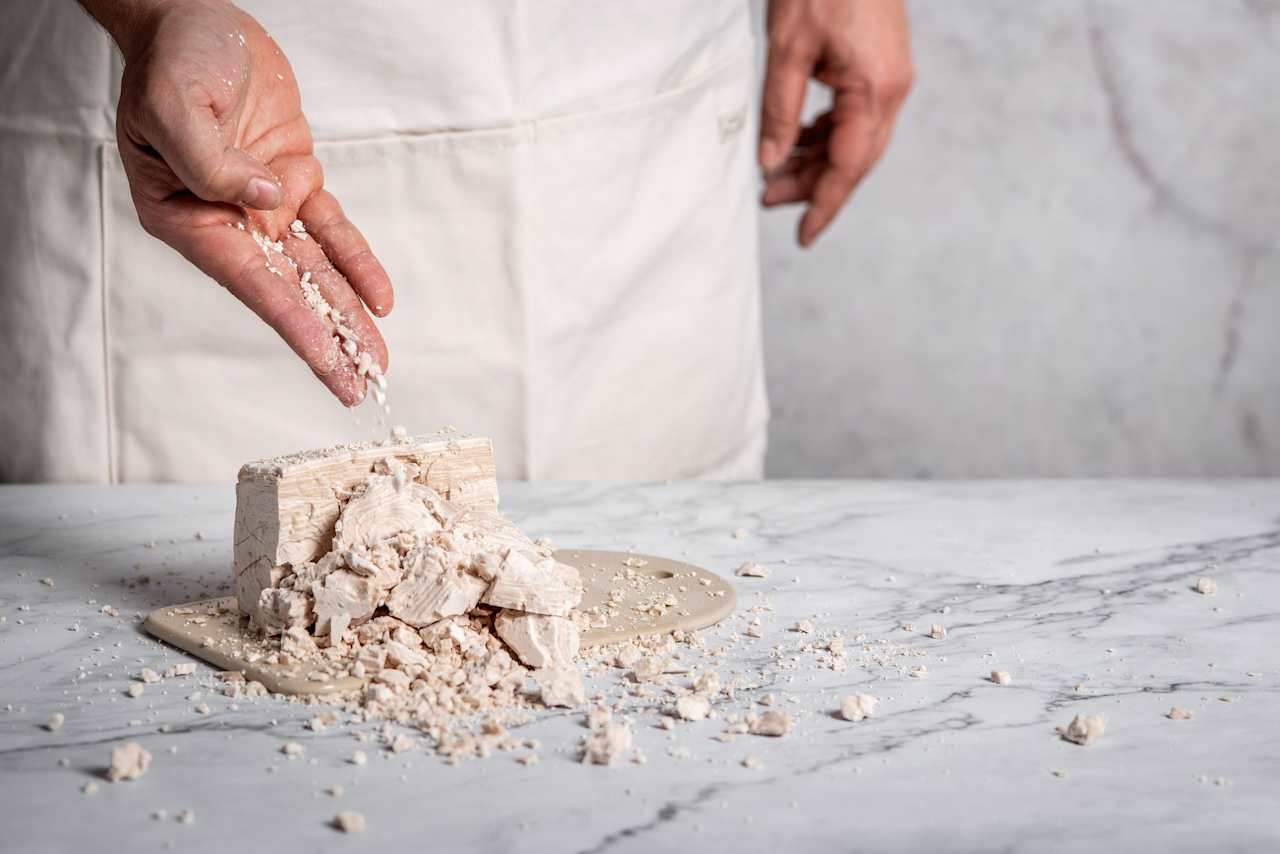 Whether you’re using fresh or dried yeast, the rule of thumb is simple: use roughly three parts fresh to one part dried by weight. Treat yeast well and it will reward you. Keep yeast doughs below 45°C and let them prove at around 23-26 °C. Avoid direct contact between yeast and salt, and remember that milk, eggs and butter can slow the rise. Give enriched doughs a little extra time and you’ll be rewarded with beautifully light breads and buns.
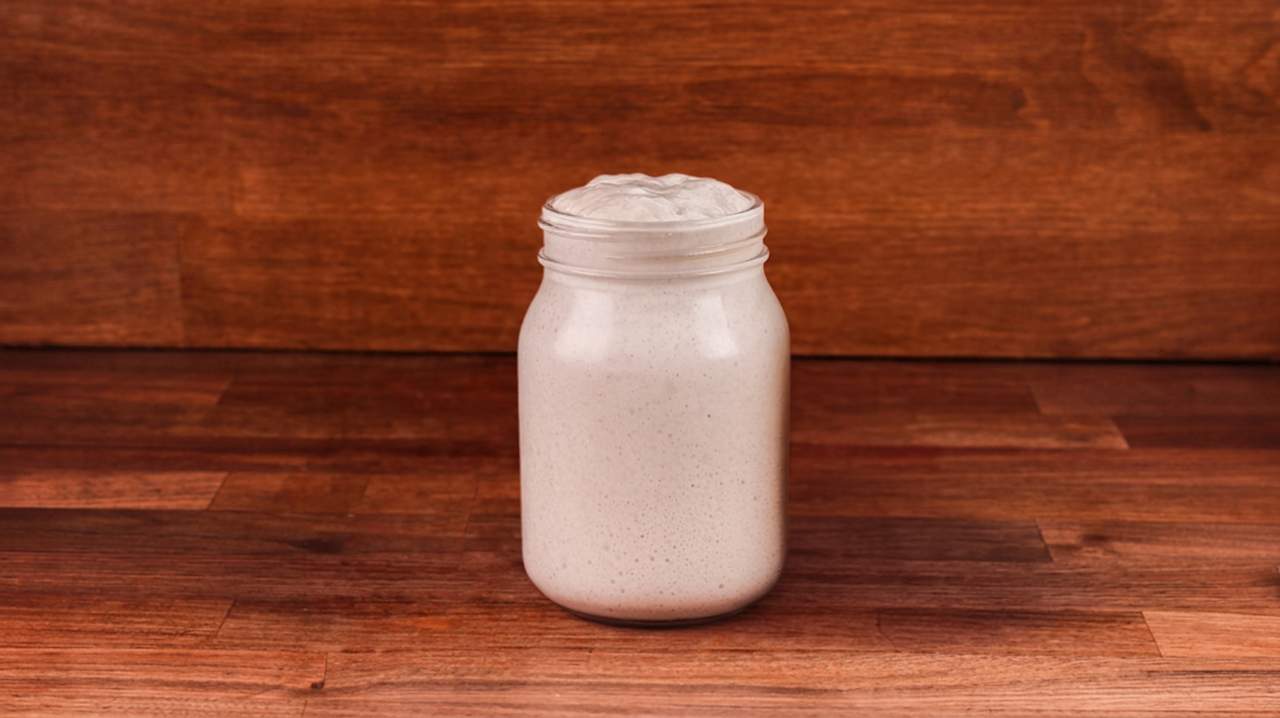 Sometimes the best bread starts the day before. A poolish is made with equal parts flour and water, plus a little yeast, then left to rise for around 12 hours. This simple pre-ferment adds flavour, improves the dough’s texture and helps create a crisp crust. It works especially well in wheat doughs and can also be used with rye blends.
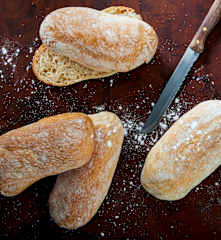
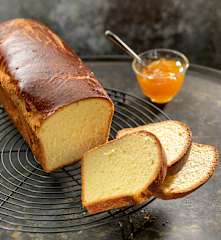
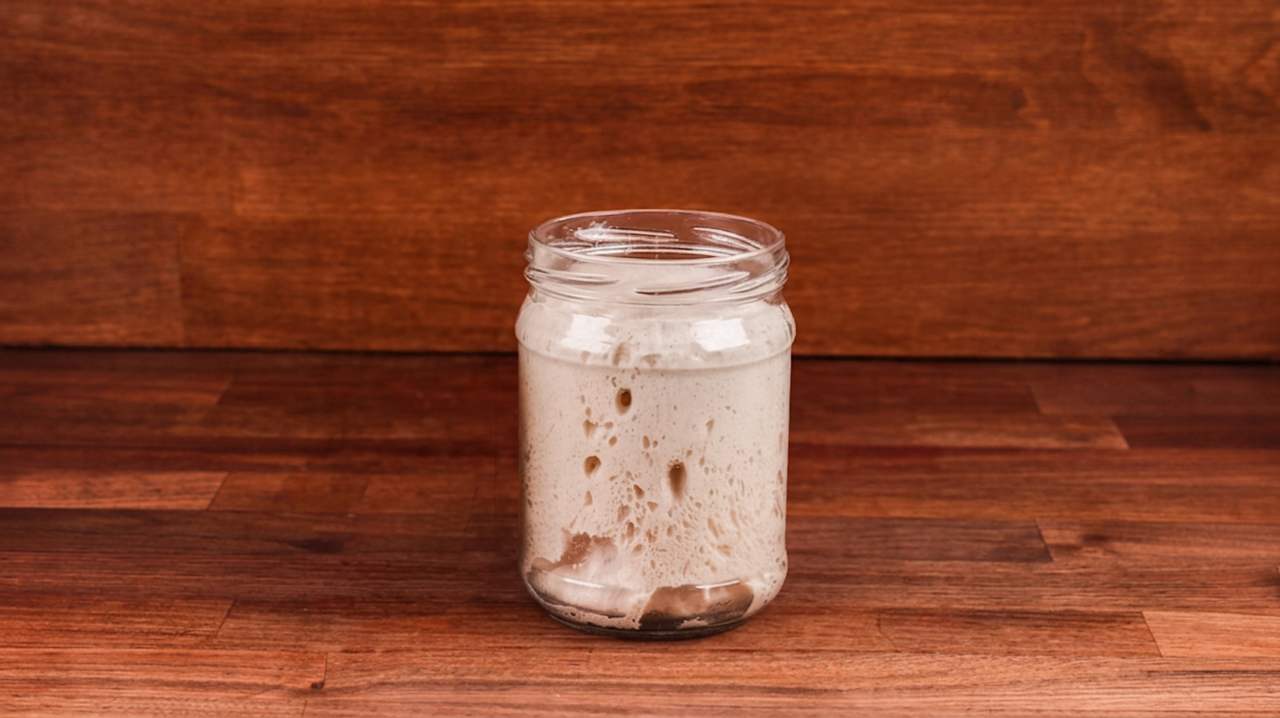 Sometimes, that little bit of tomorrow takes a different shape. A biga is a firmer pre-ferment, made with 40-60% water and just a small amount of yeast. Leave it to rest at around 15°C for 12-16 hours, or start at room temperature before placing it in the fridge overnight. It helps create ciabatta’s open, airy texture and works beautifully in richer doughs such as brioche and Danish pastries.
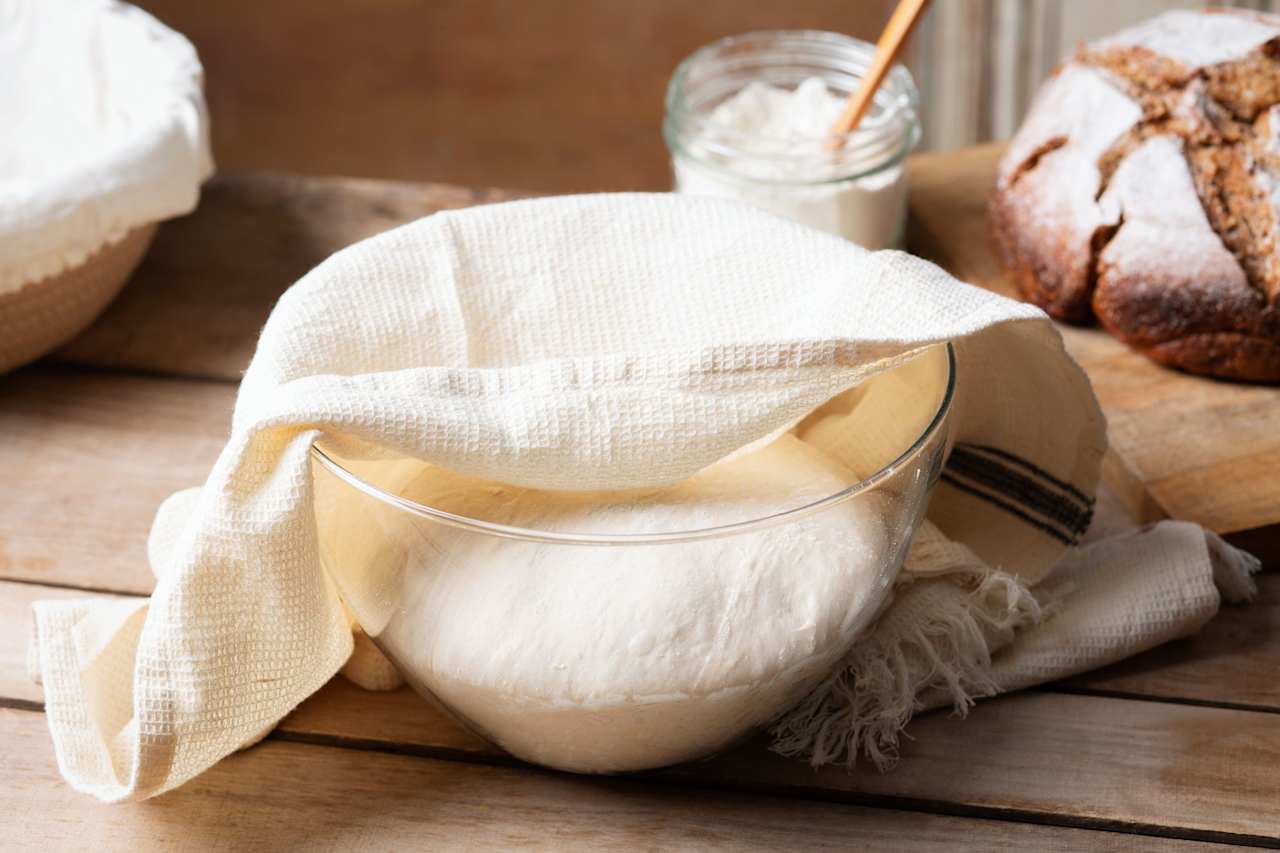 Then there’s autolyse, a simple step that can make a big difference. Just mix flour and water and leave to rest for 15-60 minutes. This helps reduce kneading time, makes the dough easier to stretch and gives the finished bread a softer, more delicate crumb. It’s a simple way to prepare the dough before the real work begins.
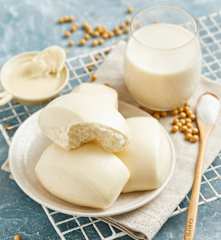
Then there’s the gentle heat of steaming. In northern China, mantou shows how this simple cooking method can transform dough into something wonderfully soft and light. Made with flour, water and a little yeast, the dough is left to rise before being steamed until fluffy and glossy.
You’ll also find wholegrain and milk versions, as well as variations made with sweet potato or pumpkin for a little colour and sweetness. For extra texture, try lightly pan-frying them after steaming to give the outside a delicate golden finish while keeping the centre soft.
A different way to make bread, but with the same care and patience at its heart.
If bread is a passport, there are plenty more places to discover. From bagels, boiled before baking for their signature chewy texture, to Moroccan batbout, a soft semolina flatbread perfect for scooping up tagine.
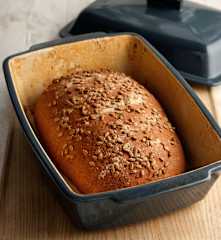
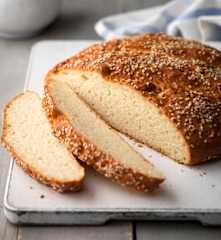
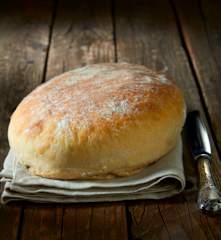
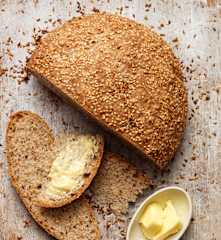
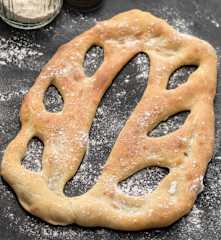
Ciabatta is known for its open crumb and crisp crust, while focaccia brings the flavours of Liguria with olive oil, rosemary, onions or olives. In Greece, sesame-coated koulouri is crisp on the outside and tender inside, while Mexico’s pan de muerto is soft and fragrant, traditionally enjoyed around Día de Muertos.
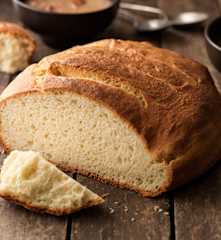
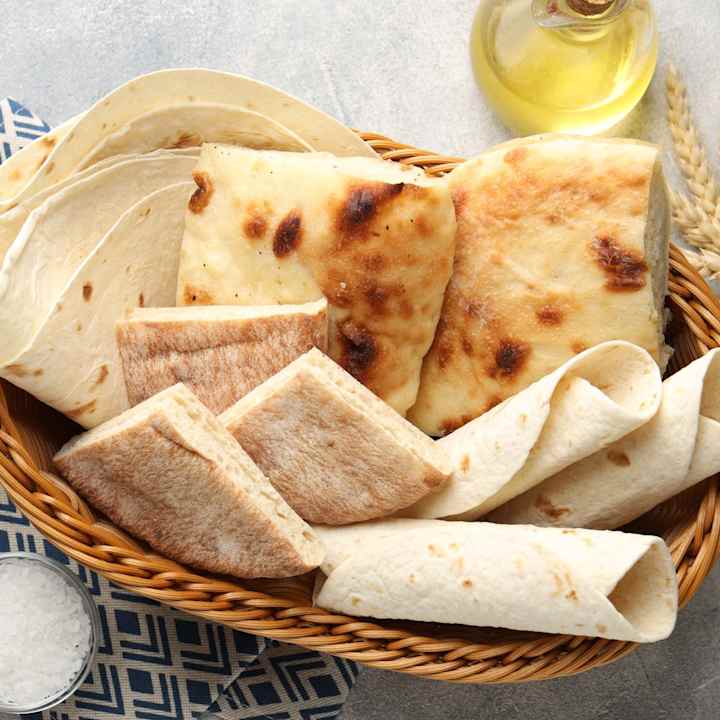
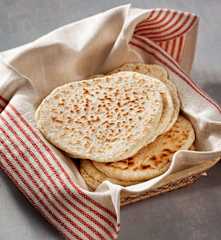
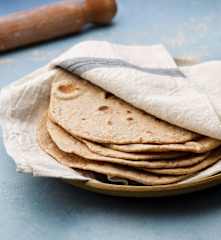
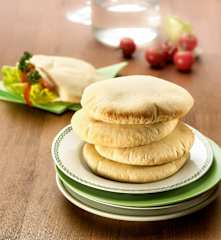
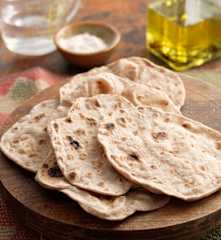
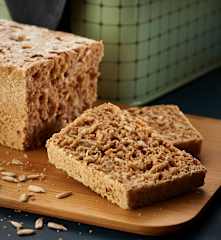
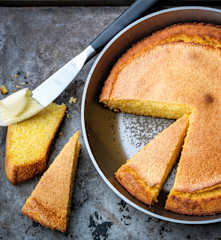
Naan is cooked against the walls of a hot tandoor and served warm with butter or ghee. German rye bread is dense and hearty, while Irish soda bread uses bicarbonate of soda and buttermilk instead of yeast. And from pitas to tortillas, flatbreads show just how versatile bread can be.
Preferments and main doughs:
Fermentation mode:
Steaming:
From everyday loaves to breads from around the world, Thermomix® helps you get consistent results at every stage. So choose a recipe, get baking and enjoy freshly made bread at home.