Sourdough

Sourdough isn't a trick – it's a small, friendly ecosystem that sits quietly on in your kitchen. If you care for it with patience, give it warmth and feed it regularly, it will reward you in time. Look after your starter and you can enjoy it for years.
Making your own sourdough starter is the first step towards baking naturally leavened bread. It may seem a lot at first, but all you need is flour, water and time.

A starter is a living culture of wild yeasts and beneficial bacteria. By regularly combining flour and water, you create an environment where these microorganisms can grow, ferment and produce the bubbles that will eventually help your bread rise.
Sourdough Housekeeping

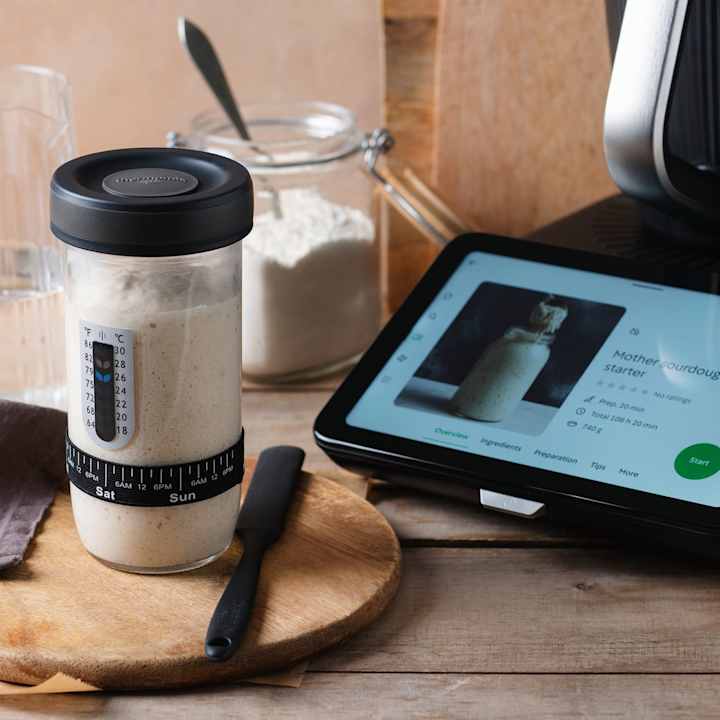
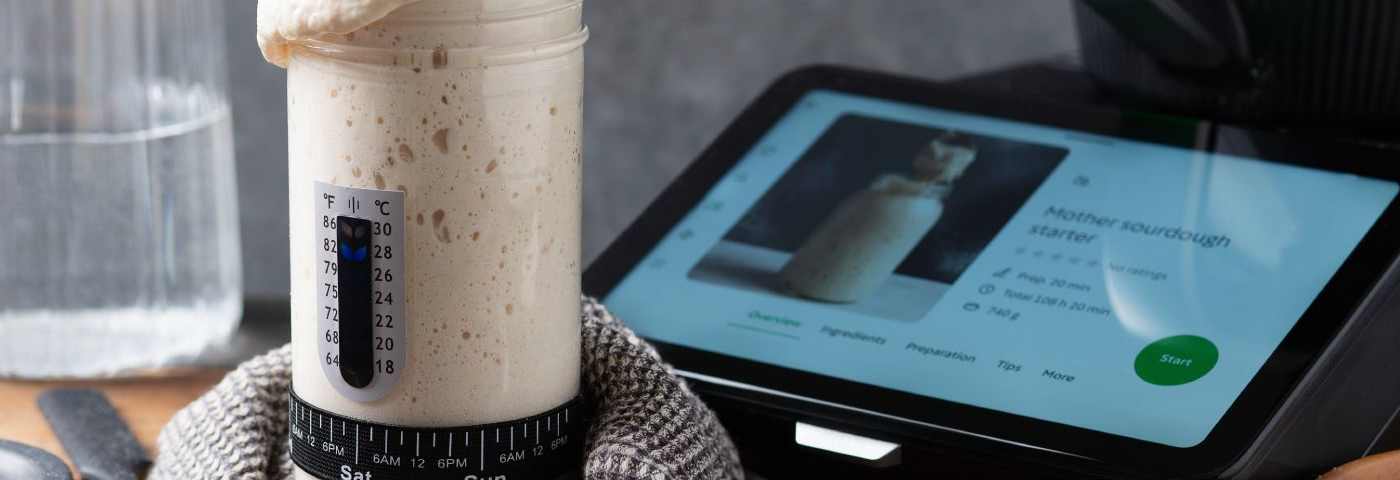
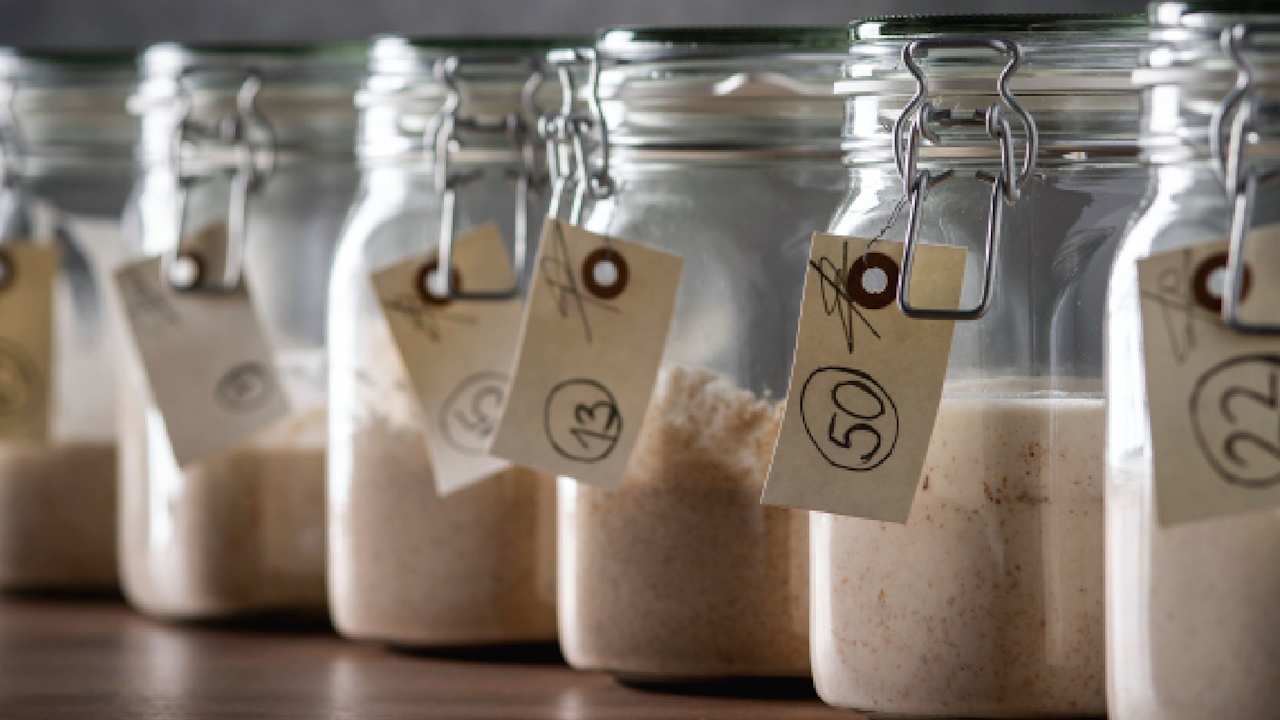
Inside your starter, naturally occurring bacteria and wild yeasts feed on the flour and water, producing acids and carbon dioxide through fermentation. This is what gives sourdough its distinctive flavour, aroma and rise. Keeping everything clean is important. Use clean hands, well-rinsed equipment and a glass jar free from traces of soap. Cover it loosely rather than sealing it tightly, especially while the starter is becoming established. Use warm water at around 35-37°C to get things going, then keep the starter somewhere steady at around 24-28°C, away from direct heat. Rye starters typically become active in around four days, while wheat or apple and wheat starters can be ready in as little as two. Look for bubbles and a rise in the starter - signs that fermentation is underway and your starter is becoming ready to bake with.

Nourish Your Starter

Once your starter is established, keeping it going is easy. Store a small amount of ripe starter, around 50 g, in the fridge as a backup. A rye starter generally needs feeding every 7-14 days to stay healthy. To refresh it, mix 10 g starter with 50 g whole rye flour and 60 g warm water, then leave it at room temperature until it becomes active and bubbly again. Once it’s ready, return it to the fridge until your next bake. You’ll have some starter left over after feeding, this is your discard. Don’t throw it away! It can be used to add extra flavour to everything from pancakes and crackers to muffins and flatbreads.

What Happens During Feeding

Fresh flour and water are added.

  1. Yeasts and bacteria begin feeding on available nutrients.
  2. Fermentation produces gas and acids.
  3. The starter becomes bubbly and increases in volume.
  4. Eventually, it reaches its peak activity.
  5. If left unfed, it becomes increasingly acidic and eventually loses strength.

What Does a Healthy Starter Look Like?

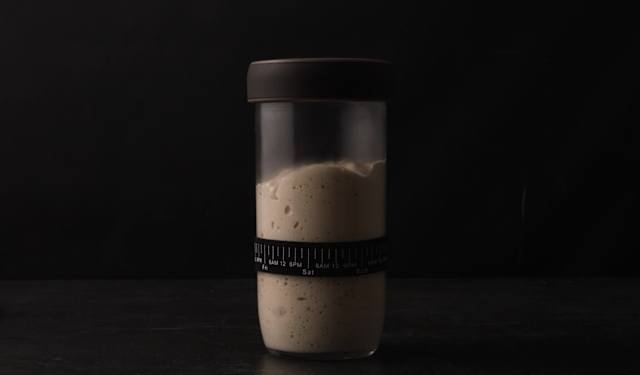
  • Lots of bubbles throughout the starter
  • A noticeable increase in volume
  • A domed or slightly rounded surface at its peak
  • A pleasant fermented, tangy or slightly fruity smell
  • A texture that looks aerated rather than dense
  • Predictable rise and fall after feeding

What Does a Hungry Starter Look Like?

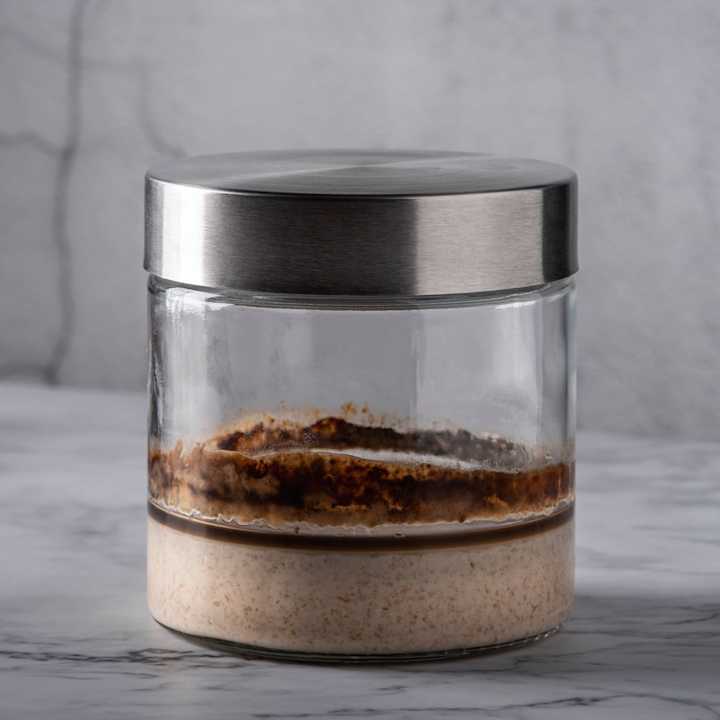
Starter that has risen and then collapsed. A layer of liquid on top. A stronger acidic or alcoholic smell. Few bubbles. Starter that has become thin. This generally means it needs feeding, rather than that it has gone bad. The liquid that can collect on top is sometimes called hooch. It is produced when the starter has used up much of its available food.

When Should You Be Concerned?

Discard the starter if you see:

  • • Mould
  • • Pink, orange or unusual coloured growth
  • • An unmistakably rotten or putrid smell
  • • Anything that looks clearly contaminated
  • • Don't try to rescue a mouldy starter by scraping off the mouldy layer. When in doubt, throw it away and start again.

Sourdough Discard

Discard is the portion of starter removed before a feeding with flour and water. Whilst it may not be active enough to use in a loaf, it still contains flavour and fermented flour, making it a great ingredient to cook with.

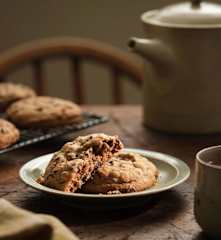
Rather than throwing it away, use discard to add a delicious sourdough tang and depth of flavour to pancakes, waffles and muffins for example. It’s also a great way to make your sourdough routine more resourceful and reduce unnecessary food waste.

Let’s Keep It Warm

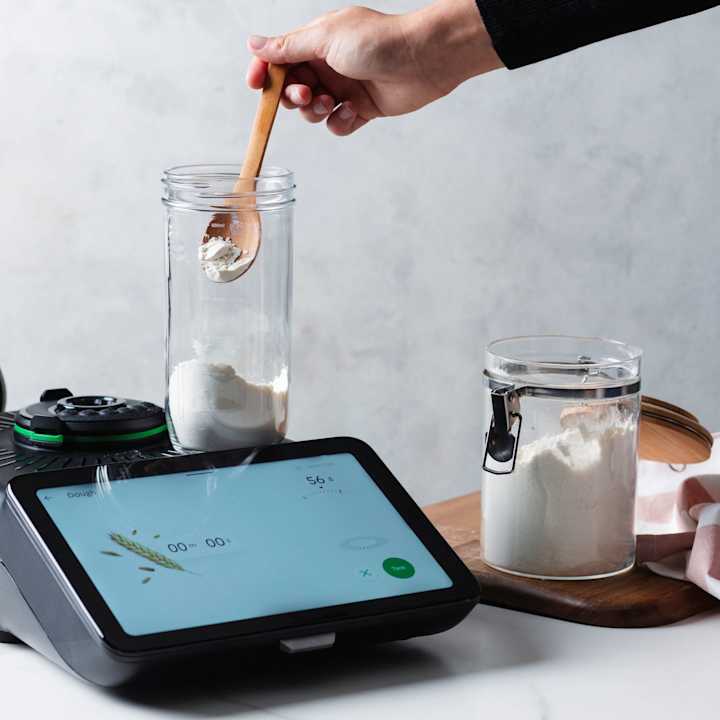
Your Thermomix® is a great help through all of this. It heats water to exactly 35-37 °C when it’s time to feed, and measures every gram so your ratios stay accurate. Your starter needs a stable, gentle place to mature and recover, especially on colder days. And when the time comes to move from jar to dough, remember to keep the water for main doughs cooler to manage the final dough temperature, your loaf will thank you in the oven.

Just Add Sourdough

Rest the lid loosely on the jar and leave your starter to settle. There’s no need to rush, give it time to develop and do its thing. With regular feeding and a little care, this small culture will become a reliable part of your baking routine, ready to bring depth of flavour and character to your bread.

Back to Where it all Began

While you wait to see what happens next with our little friend, feel free to reread how it all began.

The Magic of Bread